What Is Circular Procurement (Economy)
Circular Procurement is a sustainable approach that prioritizes products and services designed to minimize waste, maximize resource efficiency, and support a closed-loop system where materials are continuously reused, repaired, refurbished, or recycled. The European Union defines Public Circu¬lar Procurement as the acquisition of works, products, or services by govern¬ment authorities that foster closed-loop resource use while minimizing environmental impacts and waste throughout the lifecycle.
Circular procurement enables the shift from a linear economy—charac-terized by resource depletion, waste accumulation, and environmental degradation—toward a circular economy, where materials are continually reused and ecosystems can regenerate. This approach decouples economic growth from finite resource consumption, reconciling development with environmental sustainability.
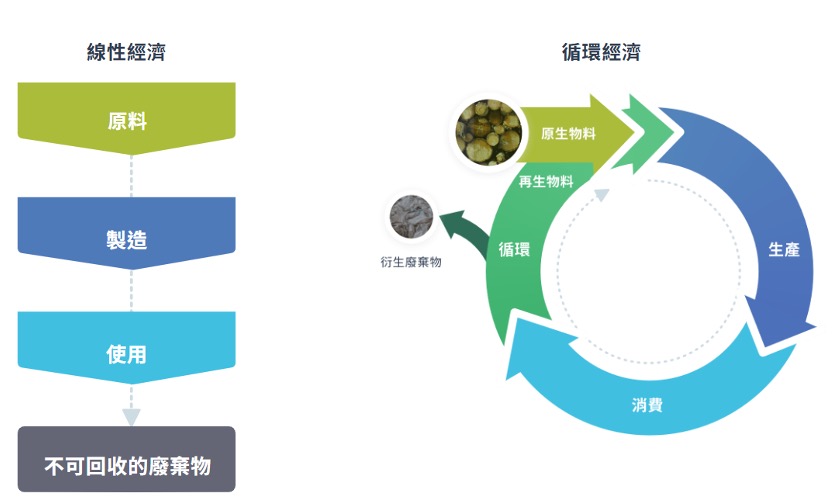
Source: Ministry of the Environment, based on The Government of the Netherlands, “A Circular Economy in the Netherlands by 2050 — Government-wide Program for a Circular Economy” (2016).
Circular procurement models emphasize modular design, durability, and extended warranties or repair services to prolong product life spans. Common real-world examples include sharing platforms and rental models, which increase product utilization and reduce waste by enabling multiple users to access the same product.
Sharing Economy Models
These improve product-use efficiency by allowing multiple users to share a single product over its usable life, reducing the need for ownership and preventing underuse or premature disposal. Supplier responsibility for maintenance and quality ensures products remain reliable and durable for all users.
Product-as-a-Service (Leasing) Models
Designed for organizations requiring products in large quantities or for extended periods, leasing shifts ownership responsibilities to the supplier, who manages maintenance, repairs, and performance. This approach ex¬tends product lifespans, facilitates refurbishment and reuse, and informs design improvements for modularity and recyclability.
Consumers frequently acquire products that remain underused, leading to waste and lost value. Rental models offer a practical alternative, allowing broader access without ownership. Ensuring product quality and reliability relies on the supplier’s or owner’s commitment to proper maintenance and management, thereby guaranteeing that users have access to durable and well-functioning products.
f you would like to know about the progress of circular procurement in Taiwan or about recycling symbols, please contact us.
Sharing

